Moving from a Sourcing Sheet to a Product Catalog: A Practical Guide
Try a catalog for visual browsing, keep useful spreadsheet notes, and verify source details, sizing and warehouse evidence before approving an overseas parcel.

If a wide product sheet makes research awkward on your phone, a visual catalog may be a more comfortable starting point. You do not have to abandon structured notes or assume that the catalog contains better products. The change is in how you reach the information.
Use cards and categories to find candidates, then use the source page, measurements and your own warehouse inspection to decide whether they belong in an order. The external purchasing agent—not the discovery site—handles payment, storage and delivery under its own conditions.
What changes when you browse pages instead of rows?
A sheet places fields beside one another. A catalog can group images and details around an individual product, making it easier to recognize a style and open its page. This is particularly useful on a narrow screen where a grid requires horizontal movement.
Performance should be tested rather than assumed. The source article claimed sub-second catalog loading, a large QC-verified inventory and long spreadsheet delays; those claims do not establish the current experience on your connection or the status of every listing. A polished interface does not guarantee complete data or current links.

Start with a short product term or a category. Shoes, t-shirts, hoodies, jackets, pants, headwear, sets, jerseys, accessories and seasonal items may be organized separately. Check the actual navigation for the groups currently available.
Keep historical QC separate from your own order
Earlier inspection examples on a product page can be useful references. They do not establish the condition of the unit later received for you.
Check what photos the chosen agent includes and which extra views or measurements cost more. Do not presume a universal set of front, rear, tag and ruler images. Once your item arrives, review the actual evidence before authorizing dispatch.
For footwear, compare sole joins, shape and heel areas. For tops, inspect collars, seams and hems. Look for the required color and variation, and ask about a specific unclear area rather than approving automatically.
Photos cannot independently establish long-term durability, composition or comfort. Lighting affects shade, and a visible size tag cannot settle fit.
The reference article on QC photos and ordering confidence explores the role of inspection evidence further. The useful principle is to let clearer information reduce uncertainty—not let confidence replace a check.
Replace a familiar size with comparable dimensions
A letter size can vary between sellers and batches. Measure a suitable item you already own and compare it with the seller's chart, using the same units and method.
| Product | Dimensions worth checking | How to use them |
|---|---|---|
| Jackets | Chest, shoulders and sleeves | Account for the intended layers |
| T-shirts | Chest width and body length | Compare with a comfortable existing tee |
| Pants or shorts | Waist, rise and inseam; thigh room where relevant | Assess the proportions you prefer |
| Accessories | Relevant strap length, diameter, height or other dimensions | Check the actual use and space required |
If the catalog has no chart, look at the current source page. If the essential information is still absent, ask the agent what measurement service is available. Do not assume the seller always supplies it or that warehouse measurement is free.

A six-stage path from browsing to dispatch
- Enter the reference catalog with QC resources and choose a relevant category or concise keyword.
- Open a few candidates. The reference Jackets and Accessories pages are options for those product families.
- Read available specifications, photographs and any historical inspection examples.
- Follow the source or agent link and verify the product destination; do not assume every link preselects the correct variation.
- Confirm options and current purchasing terms, then order through the external platform.
- Review your received items, resolve important concerns, and compare suitable international routes for the complete parcel.
Shipping depends on packed weight, dimensions, service and destination. The source's 7–20 day example is not a timeline to promise; seller handling, warehouse processing, transit and customs may vary. Use the current route estimate and tracking information.
Questions about the switch
Why not continue with Google Sheets?
You can. Sheets remain valuable for data work and comparison notes. Try a catalog when visual discovery is the task, and judge the actual convenience on your device.
Do catalog products have a consistent quality level?
No. Sellers and batches differ. Available inspection material can answer some visible questions but does not certify every property.
How should I search on a phone?
Use the product name or a short phrase first, then narrow with available categories and useful qualifiers. Avoid expecting the index to understand a long conversational request.
Is the discovery site the same as the Kakobuy agent?
The source describes an independent browsing layer. The external agent performs the transaction and logistics. Confirm which service you are entering and read its terms.
What if a warehouse item is unsatisfactory?
Contact the purchasing service promptly before dispatch. Return or exchange availability depends on the seller, deadlines and fees; it is not automatic.
Does the discovery site collect or share data?
Check its current privacy policy and actual account or analytics behavior. A sourcing site is separate from the agent's checkout, but that does not justify a blanket claim that it collects no personal information.
Are there benefits for a first order?
Starting with a manageable selection can make the workflow easier to learn. Any new-user coupon or shipping offer must be checked against the current agent's eligibility and terms, not presumed.
Try the interface, keep the discipline
A catalog is useful when it reduces unnecessary navigation. Keep your shortlist and measurement notes, verify each live source, and review the received goods before shipping. That gives you the benefit of a more visual research process without letting speed substitute for evidence.
Explore Kakobuy
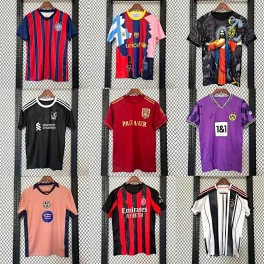
2026 Soccer Jerseys: Real Madrid, Barcelona, Arsenal - Unisex

Supreme Red Windbreaker: 90s Retro Unisex Streetwear

Calvin Klein Unisex Navy Cotton Baseball Cap | Sun Hat

ACNE STUDIOS Smiley Chunky Sneakers Off-White Leather Unisex

Denim Tears 90s Yellow Retro Sweatpants: Unisex Streetwear

Supreme 90s Retro Gray Denim Hoodie Jacket | Unisex
2026 Soccer Jerseys: Real Madrid, Barcelona, Arsenal - Unisex

VINI JR. Orange Soccer Jersey 7 - Quick-Dry & Breathable

EE 91 Navy Cotton Baseball Cap | Unisex Street Style

Birkenstock Black Suede Dual-Buckle Sandals: Unisex & Comfortable

Arcteryx Unisex Outdoor Shorts: Breathable, Quick-Dry, Minimalist

STUSSY Light Grey Hoodie: Unisex, 90s Street Style, Loose Fit
2026 Soccer Jerseys: Real Madrid, Barcelona, Arsenal - Unisex
Supreme 90s Retro Gray Denim Hoodie Jacket | Unisex

Canada Goose Grey Down Parka - Unisex Winter Coat with Duck Down

Gucci Navy GG Knit Sweater: Retro Unisex & Warm

Adidas YEEZY Boost 350 V2 Cream White Sneakers Unisex
Denim Tears 90s Yellow Retro Sweatpants: Unisex Streetwear
2026 Soccer Jerseys: Real Madrid, Barcelona, Arsenal - Unisex

Moncler Golden Puffer Jacket: Warm Hooded Down Coat, Unisex Urban Style

Ralph Lauren Wool Blend Knit Beanie, Navy, Unisex

STUSSY 90s Vintage Black Puffer Jacket - Unisex Winter Hooded Coat

ESSENTIALS Off-White Fleece Cargo Pants, Distressed Knee, Unisex
