Choosing Shoes from a Kakobuy Catalog: Fit, QC and Packing Checks
Build a footwear shortlist around measurements, visible construction and a real shipping quote—not a familiar size label, attractive photograph or assumed bargain.

A footwear catalog can help you find a style quickly, but the important decisions begin after discovery. Does the selected pair match your measurements? Do warehouse images show an issue worth resolving? How will the packed parcel be charged?
Approach a Kakobuy shoe listing as a candidate, not a recommendation confirmed by its category placement. A visual directory is convenient for browsing source links and photographs, while an external buying agent or platform supplies the ordering, inspection and shipping services. Confirm what that service actually offers before relying on it.
Put measurements ahead of the size label
US, UK and EU size labels do not remove differences between manufacturers, lasts or batches. Two pairs with the same nominal size can have different usable lengths and widths. The source article illustrated this with EU 43 insoles of 27.5 cm and 28.5 cm; those are examples of variation, not a size chart to use for every listing.
Measure a comfortable pair you own and use it as a reference. Where possible, ask the purchasing service for a clear photograph of the candidate's insole beside a ruler or tape. Confirm the heel-to-toe method so you are comparing like with like. If the insole can be removed safely, that can make the measurement easier; do not assume removal is possible for every design.
Length alone is insufficient. A narrow forefoot can make a shoe uncomfortable despite a seemingly suitable length. Request width information when it is important to your fit.
| Check | Useful evidence | What it does—and does not—answer |
|---|---|---|
| Insole length | A clear heel-to-toe measurement in centimeters | Helps compare length; does not guarantee overall fit |
| Forefoot width | Width across the relevant widest area | Helps identify a narrow shape |
| Sole and midsole shape | Side views of both shoes | Reveals visible height or symmetry differences; does not measure cushioning performance |
| Unboxed pair weight | Actual warehouse weight if available | Helps shipping estimates; does not prove rubber quality or internal support |
Keep dimensions in consistent units. If the seller's measurement method or a critical dimension is unclear, resolve that uncertainty before authorizing international dispatch.
Review a pair, not two isolated photographs
QC images are most helpful when they let you compare both shoes under similar conditions. Begin with front and rear views. Look at toe shapes, collar heights, heel counters, pull tabs and eyelet spacing. An apparent mismatch is a reason to request a clearer angle or clarification, not to diagnose a manufacturing defect solely from a tilted camera.

Next inspect the junction between upper and sole. Visible glue residue may be a finishing concern; a gap deserves further investigation. Photographs cannot determine bond strength or predict when separation might occur. Look at seams around curved panels and stress areas for visibly uneven stitching, missed sections or loose threads.
A useful request is specific: “Please show both heel areas in the same view” answers more than “send better QC.” Identify which information is missing and why it affects your decision.
Photos cannot assess long-term sole wear, arch flexibility, comfort or cushioning response with the same certainty as using and testing the shoe. Keep those limitations separate from what you can actually see.
Adapt inspection to the construction
Different styles call for different questions. These broad groups can organize your comparison; they do not establish what material every listing contains.
- Low-top court styles: Compare panel shapes, toe perforations, visible grain and cupsole stitching where applicable.
- Running or athletic designs: Inspect mesh joins, molded side elements and alignment. A technical-looking upper does not establish suitability for sport.
- Suede and nubuck styles: Look for color consistency and the way the surface appears across panels. Lighting and the direction of the nap can change appearance.
- Boots and outdoor styles: Inspect soles, hooks or other hardware, seams and visible reinforced areas. Actual weight matters for shipping, but weight alone does not confirm a dense rubber compound or a hidden shank.
The reference Shoes category brings these kinds of listings together. Use it to find candidates, then read each source page rather than assuming all items share the same specifications.
Make the directory work for you
A sheet containing many image links and seller URLs can take effort to navigate, especially on a phone. A visual catalog can reduce that friction by grouping products and placing details on separate pages. It cannot guarantee that a source link is current or that every price matches the seller's live page.
The reference catalog homepage offers another route into its product groups. Search with concise terms such as “shoes”, then add a useful style or color word if needed. Available filters, sorting and mobile behavior should be checked on the actual site; do not assume identical capabilities across different catalogs.

A small shortlist makes verification easier than an unlimited collection of bookmarks. Record the size option, measured dimensions, source link, visible issues and unanswered questions for each pair.
Compare packing choices with a quote
Footwear can be bulky as well as heavy. Many carriers use the greater of actual weight and dimensional weight, with dimensional weight derived from parcel dimensions and a route-specific divisor. Confirm the formula for the selected service instead of using a universal divisor.
Retail boxes can increase parcel volume. Removing them may reduce the charge, but the saving depends on the actual packed dimensions and billing bands. The source's suggested 30–50% volume reduction should not be treated as a promised result.
Consider three options:
- Remove retail boxes: Ask how the shoes will be protected, then compare an actual repacking estimate. Lower volume is useful only if the protection still suits the item.
- Keep boxes: This may matter for gifting or storage. Discuss corner protection or an outer box where offered, while accounting for the extra weight and volume.
- Support the shape: Without retail boxes, paper filling or other suitable support may help protect toe shape. Confirm what the warehouse provides and whether it adds charges.
A label such as DDP or “tax-free” does not guarantee uninterrupted delivery or that every import cost is covered. Read the current route terms and destination rules. North American, European, Australian and New Zealand shipments can have different restrictions and charges.
Questions worth resolving before dispatch
What if my usual shoe size appears on the listing?
Check the actual measurements anyway. A familiar size label does not establish that the seller uses the same last or dimensions as your usual brand.
What can warehouse photos tell me about quality?
They can help you evaluate visible symmetry, seams, panel alignment and finishing. They cannot independently prove comfort, durability or unseen construction.
Should I ask for an insole outside the shoe?
When it is removable and the service can do so without damaging the item, a separate view can make measurement clearer. Ask rather than assuming the request is possible.
Can I estimate parcel weight from a generic shoe range?
Only as a rough planning exercise. The source used roughly 800–1,200 g for some athletic pairs and 1,500–2,200 g for heavier boots or platforms, without packaging. Designs vary; use actual warehouse weight for a meaningful quote.
Is one parcel suitable for several pairs?
It depends on packed size, weight, route restrictions, insurance and destination rules. Compare available quotations. A fixed number such as two or three pairs is not a universal safety rule and does not remove customs obligations.
A useful shortlist is a documented shortlist
The catalog solves the finding stage; measurements and inspection solve different questions. Keep those stages distinct. Choose a style, verify fit information, investigate visible concerns, and compare packing with the real delivery terms. That produces a clearer footwear decision without overstating what photos or shipping labels can guarantee.
Explore Kakobuy

Onitsuka Tiger Retro Sneakers: White, Blue/Green, Unisex

CDG PLAY Beige Drawstring Pants - Soft Cotton Unisex Heart Logo

Belgium National Team Jersey: Breathable Quick-Dry Shirt

Moncler White Down Jacket: Warm, Lightweight & Slim Fit
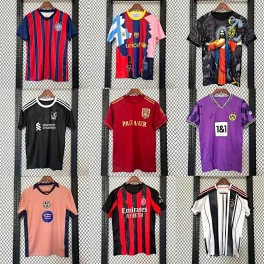
2026 Soccer Jerseys: Real Madrid, Barcelona, Arsenal - Unisex

Supreme Black Vertical Logo Hoodie - Unisex Streetwear
Belgium National Team Jersey: Breathable Quick-Dry Shirt
Onitsuka Tiger Retro Sneakers: White, Blue/Green, Unisex
CDG PLAY Beige Drawstring Pants - Soft Cotton Unisex Heart Logo

Gallery Dept. Crying Eye Tee: Beige Unisex Streetwear
Supreme Black Vertical Logo Hoodie - Unisex Streetwear

Calvin Klein Women's Grey Cotton Underwear - Comfort Fit

Balenciaga Beige Knit Sock Sneaker Unisex Avant-Garde Comfort
CDG PLAY Beige Drawstring Pants - Soft Cotton Unisex Heart Logo
Belgium National Team Jersey: Breathable Quick-Dry Shirt

Moncler Pink Hooded Down Jacket: Women's Slim-Fit Winter Coat
Supreme Black Vertical Logo Hoodie - Unisex Streetwear
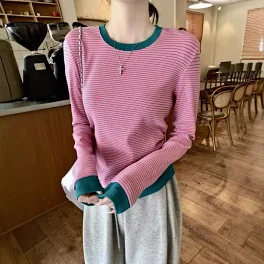
2024 Women's Pink Green Striped Knit T-Shirt Slim Fit Long Sleeve
Onitsuka Tiger Retro Sneakers: White, Blue/Green, Unisex
CDG PLAY Beige Drawstring Pants - Soft Cotton Unisex Heart Logo
Belgium National Team Jersey: Breathable Quick-Dry Shirt
Moncler Pink Hooded Down Jacket: Women's Slim-Fit Winter Coat

Ralph Lauren Unisex Wool Blend Cable Knit Beanie with Pony Logo