Kakobuy Catalog vs Google Sheets: Speed, Link Freshness and Product Evidence
Compare the browsing workflow of a sourcing catalog and a large Google Sheet without confusing a faster interface with verified links or better product quality.

A sourcing tool should help you spend less time navigating and more time checking the item you might buy. Large shared spreadsheets and visual web catalogs approach that job differently. One concentrates information in a grid; the other divides discovery into categories, product cards and listing pages.
The useful comparison is not “which technology is always faster?” It is whether the particular tool makes your research easier while keeping source information clear. A catalog can reduce browsing friction, but its format alone does not guarantee fast loading, current links, automated checking or reliable product descriptions.
The reference Kakobuy catalog is an example of a visual sourcing interface. It provides a route into product discovery; an external purchasing service handles the order and subsequent logistics. Keep those responsibilities distinct as you compare tools.
What slows a large sheet down?
A community sheet may contain thousands of rows, images, formulas, formatting rules and seller links. That density can make it harder to locate the relevant fields and can place demands on a browser or mobile device. Horizontal navigation adds another obstacle on a narrow screen.
A paginated catalog can show a smaller part of the collection at once and give each item its own page. This can improve usability, especially when cards let you reject irrelevant styles quickly. Actual performance still depends on the page implementation, assets, network and device.
The source article quoted loading ranges and a large-file example, but those were not a controlled benchmark for your situation. Do not assume a sheet always takes 10–30 seconds or that a catalog always loads below 1.5 seconds. Test the actual tools you plan to use.

Compare observable behavior, not promises
| Area | What to examine in a sheet | What to examine in a catalog |
|---|---|---|
| Mobile layout | Column navigation, readability and image access | Whether cards, menus and detail pages fit the screen |
| Search | Available find, filter and sorting functions | Actual keyword search, categories and exposed filters |
| Loading | Responsiveness with the relevant data and images | Category and product pages on your connection |
| Visual review | Thumbnail size and where image links lead | Gallery clarity and available inspection views |
| Link freshness | Source dates and maintenance notes | Source verification information and any stated update policy |
A well-maintained sheet can be more useful than an attractive catalog with stale data. Conversely, a good catalog can save effort when you mainly want to scan products rather than manipulate rows.
Concise searches can also help. Start with the product type—such as “shoes” or “t-shirt”—and add one relevant qualifier if needed. Not every catalog supports conversational queries or multi-attribute filtering.
Link maintenance is a separate responsibility
Marketplace pages can disappear, redirect, change options or show a different price. Saving a URL in either a spreadsheet or database does not freeze its contents.
An actively maintained directory may use automated checks, manual review or both. Those processes need to be documented or observed; the fact that a site is database-driven does not prove that it validates every link or hides every unavailable item. A spreadsheet can also have a disciplined maintenance process.
Before ordering, open the current source page and verify the identity, selected variation and relevant price. A redirect to a generic marketplace homepage is not confirmation of the item you researched. If the destination or product has changed, stop and clarify rather than assuming the old catalog entry remains accurate.
Consistent categories help navigation, but taxonomy is not a validation system. An item can be correctly filed and still have incomplete specifications.
Visual records are useful when their context is clear
Inspection images alongside a product page reduce the effort of moving between tabs. However, distinguish listing photographs or historical QC records from photographs of the specific unit received for your order. A reference image is not proof of the condition of your own item.
For footwear in the reference Shoes category, useful visible questions include:
- Does the upper-to-sole junction show excessive residue or a gap?
- Are seams, heel areas and eyelet panels visibly aligned?
- Do the two shoes have comparable toe shapes and collar heights?
- Is a measurement photo clear enough to interpret its method and units?
These checks support a decision about visible concerns. They cannot establish adhesive strength, future cushioning comfort or long-term wear.

A product page that makes images convenient can improve the review process. It cannot guarantee that no return will be needed. Ask for missing views through the actual agent if that service is available, and review any inspection fees or return conditions.
Use measurement tables carefully
Catalog pages may make size information easier to read, but generic garment labels still vary across manufacturers and batches. The presence of a chart is helpful only if it describes the relevant item and uses a clear method.
| Garment dimension | Common flat-garment method | What to compare |
|---|---|---|
| Chest width | Across the garment between underarm areas | Torso width against an existing well-fitting piece |
| Shoulder span | Between shoulder seams | Desired shoulder placement and room |
| Body length | From the stated upper reference point to the hem | The length you prefer |
| Sleeve length | From the stated shoulder point to the cuff | Sleeve coverage and fit |
Methods can differ, especially for the starting point of a length measurement. Use the seller's stated method, consistent units and any provided tolerance. A chest width is not automatically a circumference. Compare like with like.
The same principle applies to pants, shoes and accessories: actual dimensions answer a more useful question than the nominal size alone. Where a critical number is missing, mark it unknown instead of estimating from the photograph.
Plan the parcel after the product checks
Once goods are ordered through an external platform, the warehouse and delivery process introduces a different set of costs and limits.
Actual and dimensional weight: Bulky coats or shoe boxes may affect the bill even when the goods are not particularly heavy. Many routes use the greater of actual and dimensional weight; confirm the selected service's divisor and billing rules.
Repacking: Removing retail packaging may lower volume, but it can alter protection and presentation. Ask for an actual estimate and appropriate packing rather than assuming a universal saving.
Rate bands and consolidation: Combining items can change the quote. Billing increments vary by service; a 500-gram band is not a rule for every forwarder. Compare the actual packed options and any restrictions on mixed contents.
Destination requirements: Routes serving North America, Europe, Australia or Asian destinations can have different limits and import procedures. DDP terms may allocate some import costs within the service, but they do not guarantee seamless clearance or immunity from inspection.
Accurate declarations and current destination rules remain relevant regardless of how quickly you found the products.
Questions to ask about the tool you use
What is a catalog's main practical advantage?
It can organize discovery around images, categories and separate pages. Whether it is faster or easier than a sheet depends on the actual implementation and your task.
Is browsing free?
The reference source described its public browsing resources as free. Check the current access conditions on the site itself. Free discovery does not mean purchasing, inspections or shipping are free.
How does a found item become an order?
Follow the relevant source or agent link, confirm the item and options, and read the external service's current payment and ordering terms. A redirect should be verified rather than assumed safe merely because it came from a catalog.
Are catalog links checked regularly?
Only a documented or observable maintenance process can answer that. Database storage alone does not establish automatic validation. Verify the live source before payment.
Will I receive warehouse photos?
That depends on your purchasing service, inspection package and item. Confirm what photographs are included, what extras cost and when you can request them before dispatch.
Why can mobile browsing feel easier in a catalog?
A responsive page can present a limited group of products vertically instead of displaying a wide grid. Poorly optimized assets or navigation can still undermine that benefit.
Judge convenience and evidence separately
A faster research interface is valuable because it leaves more attention for product identity, measurements and inspection. It should not replace those checks. Choose the tool that fits your browsing or data-management task, verify the live source, and keep delivery planning tied to the external service's actual quote and terms.
Explore Kakobuy

Denim Tears Black Hoodie: Retro Spider Web Streetwear

Gucci Pink GG Baseball Cap: Unisex Sun Hat with Web Stripe

SP5DER Light Purple Sweatpants with Star & Web Print
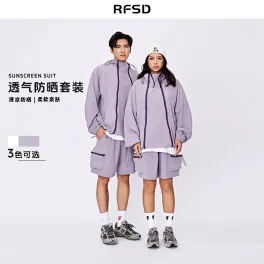
RFSD 2025 Lightweight Sun Protection Windbreaker Jacket

ACNE STUDIOS Smiley Chunky Sneakers Off-White Leather Unisex

AOBINKA Grey Cotton Floral Hooded Cardigan, Unisex Cozy
Gucci Pink GG Baseball Cap: Unisex Sun Hat with Web Stripe

SP5DER Yellow Hoodie: Spider Web Graphic, Star Sleeves, Unisex
SP5DER Light Purple Sweatpants with Star & Web Print
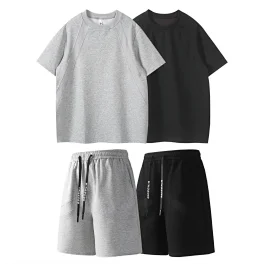
MINGBOSS Men's Summer Tracksuit: Cotton-Blend Shorts & Tee Set

Nike Classic Red Cotton Tee: Breathable, Minimalist Logo Design

Adidas Red Racing Shoes: Breathable Mesh Cushioned Running Shoes
Denim Tears Black Hoodie: Retro Spider Web Streetwear
SP5DER Light Purple Sweatpants with Star & Web Print
Gucci Pink GG Baseball Cap: Unisex Sun Hat with Web Stripe

Gucci Light Blue Knit Cardigan: Soft, Warm Women's Sweater

Amiclams Cream Hoodie: Unisex Cotton Sweatshirt with Red Heart

RFSD 2025 Waffle Knit Long Sleeve T-Shirt for Men & Women
Denim Tears Black Hoodie: Retro Spider Web Streetwear
SP5DER Light Purple Sweatpants with Star & Web Print
Gucci Pink GG Baseball Cap: Unisex Sun Hat with Web Stripe

Canada Goose Light Blue Down Jacket: Unisex Winter Coat

Amiclams Red Wool High-Neck Sweater | Unisex Winter Warm