How to Use the Kakobuy Category Index for Better Product Shortlists
Use the 13-category index to narrow your search, compare measurements and QC evidence, and separate product discovery from the checks needed before an external order.

A product directory becomes useful when it helps you exclude the wrong items, not merely when it contains a large number of links. The Kakobuy Spreadsheet 2026 category index offers a starting point for that task: choose a product family, investigate a few plausible listings, and keep the ones supported by enough information to compare.
This guide explains a practical route through the reference catalog's core categories. The catalog is a discovery tool, not the service completing your transaction. Purchasing, warehouse handling, payment and shipping take place through the external agent or platform linked from a listing. Keeping those roles separate avoids treating a catalog photograph, displayed price or category label as a promise about an eventual order.
Begin with a buying requirement, not an endless search
Before opening a category, note what would make an item unsuitable. For a daily bag, that might be insufficient internal space or an impractical strap. For shoes, the relevant questions include foot length, width and the intended fit. These requirements give you a reason to reject a listing rather than accumulate more tabs.
A traditional spreadsheet can provide valuable source links and notes, but its rows may mix unrelated products. A category interface reduces that initial clutter. It also lets you compare similar items using the same criteria. Neither format eliminates the need to verify a listing.
Think of the index as a filing system. Being filed under Jackets says something about the product type; it does not certify construction quality, seller reliability, stock availability or value.
For catalog searches, concise terms are usually easier to work with than an entire shopping sentence. Begin with a word such as “shoes” or “t-shirt”, then add a relevant style, material or color term. Search behavior depends on the site's available indexing and filters, so adjust the term if the first results are too broad.
A working map of the 13 core categories
The reference site's principal clothing-and-lifestyle groups are listed below. Extra seasonal or specialist collections may appear elsewhere, and the number visible on an individual page can change. Check the live navigation instead of assuming this map is an exhaustive inventory.
| Starting category | Typical search purpose | Evidence worth collecting |
|---|---|---|
| Shoes | Sneakers and casual footwear | Foot and insole lengths, width where available, upper, outsole and overall shape |
| T-Shirts | Plain or printed everyday tops | Chest width, body length, stated fabric and placement of the graphic |
| Hoodies & Sweaters | Fleece layers and knitwear | Shoulder, chest and sleeve measurements, thickness and cuff construction |
| Jackets | Outer layers and structured clothing | Shoulder and body dimensions, sleeves, fastenings and lining |
| Pants & Shorts | Long or short bottoms | Waist, hip, rise, inseam, leg opening and fabric weight |
| Headwear | Hats and caps | Head circumference, brim, closure, material and shape |
| Sets | Coordinated outfits | Measurements for each garment, included pieces and matching color options |
| Underwear & Underpants | Undergarments and base layers | Waist and garment dimensions, material information and applicable hygiene policies |
| Jersey | Sports-style or numbered shirts | Chest and length measurements, sleeve style, printing and fabric description |
| Accessories | Bags, wallets, belts and small fashion items | Height, width, depth, compartments, fittings, material and weight |
| Other Stuff | Products outside the main clothing groups | Exact product identity, intended use, dimensions and source information |
| Lego | Building and construction-toy listings | Set reference, stated pieces, contents and packaging |
| Watches | Wristwatches and related items | Case measurements, stated movement, dial, strap and included components |
Perfume, jeans, glasses, women’s selections and winter or summer collections can offer additional browsing routes if the current catalog includes them. Their presence does not mean every desired product is in stock.

Use the main function of the product to choose the first category. A fleece zip-up and a structured coat may both be outer layers, yet the former may be filed with hoodies and the latter with jackets. A shoulder bag belongs naturally in accessories. Starting with function is more reliable than starting with a brand-like term that could return several different product types.
Turn a category into a manageable shortlist
A useful browsing session has an endpoint: a small set of candidates with comparable information. Try the following sequence.
- Write a brief requirement: product type, everyday use, preferred color, budget and essential dimensions.
- Select the nearest category and search using a short descriptive term.
- Open a few credible candidates rather than every result.
- Read each product page for measurements, photographs, stated price, source link and seller details.
- Remove items that clearly fail the requirement. Put missing information in an “unknown” column rather than silently accepting it.
- Compare the remaining options on the same criteria.
- Check that the external source still points to the intended item before moving to the ordering platform.
For example, a search for a black crossbody bag can start in Accessories, narrow to the bag type, and then compare dimensions, straps and construction. If dedicated filters are unavailable, use short variations in the search box and inspect the pages manually. For sneakers, follow the same sequence but replace compartment and strap checks with measurements, sole details and fit requirements.
A concise shortlist also makes later QC review easier: you already know what the item is supposed to satisfy.
Compare the whole listing, not just its price
Similar photographs do not necessarily represent equivalent offers. One source may include several pieces, another only one. Materials, dimensions, packaging and shipping weight can differ even when the products look alike.
| Comparison item | Question to resolve before choosing |
|---|---|
| Identity | Are you comparing the same type of product and configuration? |
| Measurements | Are critical dimensions available, in the same units and measured comparably? |
| Construction | What do the images reveal about seams, panels, closures or fittings? |
| Contents | Does the quoted price include the complete set or a single component? |
| Source details | Does the seller link and description identify the intended item clearly? |
| Packing and weight | Could the physical size or packaging change international shipping costs? |
| QC evidence | Do the photographs show the areas important to this product? |
Record what the evidence actually establishes. A listing stating a 28 cm insole provides a measurement to compare; it does not prove the shoe will fit your foot. A visible metal zipper tells you something about appearance, not its service life.
The reference Accessories category is useful for bags, belts and wallets. It should not become a substitute for identifying an unfamiliar product correctly. When a listing belongs elsewhere, move to the appropriate category and apply that product's inspection criteria.
Read QC images as visual evidence
QC photographs can reveal a reason to investigate further or reject an item. They are especially useful for visible shape, construction and included pieces. They are not a laboratory assessment or a complete specification sheet.

Review photographs in a deliberate order:
- Establish overall shape and symmetry before concentrating on small details.
- Examine visible seams and stitching for irregularities or loose threads.
- Inspect handles, clasps, buckles, zippers and other fittings shown in the views.
- Compare color across images, allowing for differences in lighting.
- Check the location and alignment of graphics, labels or visible logos.
- Identify included packaging without assuming it will protect the item throughout transit.
The limits matter as much as the visible detail. Images cannot independently verify material composition, chemical content, authenticity, comfort over time or long-term durability. They also cannot clear a part of the item that is never shown.
A watch image can display a dial and strap but cannot establish movement accuracy. A bag image may suggest how many compartments it has without giving their usable internal dimensions. If that missing information would change your decision, ask for clarification through the relevant service where possible or keep the listing on hold.
Make sizing a measurement exercise
Size labels are only a starting point. Two garments marked medium may have different widths and lengths, including across batches of a broadly similar design.
Use a well-fitting item you own as a reference wherever practical. Compare:
- Tops: chest and shoulder widths, body length and sleeves.
- Jackets: the same dimensions plus room for the intended layers.
- Pants: waist, hip, rise, inseam and opening at the leg.
- Shoes: foot and insole lengths, width information and fit expectations.
- Accessories: external and relevant internal dimensions, strap length and compartments.
- Watches: diameter, thickness, lug-to-lug span and strap dimensions.
Check how the seller took the measurement. A flat garment waist measurement is not automatically the full circumference. Convert inches and centimeters before comparing, and allow for any stated measurement tolerance. Different measurement methods can produce different figures.
If a key dimension is absent, do not estimate it from a photograph simply to complete your spreadsheet. An unresolved sizing question is a reason to seek better information or choose another listing.
Separate product selection from delivery planning
The external purchasing service determines payment arrangements, warehouse processes and the available delivery options. A good catalog shortlist does not settle those questions.
Before authorizing an order, confirm the selected size, color or configuration against the source page. Then review current service fees, payment and refund terms, likely packed dimensions and weight, route restrictions and destination requirements.
International rules are not uniform. Buyers in the United States, UK, EU, Australia and New Zealand can face different import procedures, taxes, carrier restrictions and, where relevant, biosecurity checks. Another shopper's successful route or tax treatment is not evidence that the same arrangement applies to your address and goods. Check the current rules for the destination and service involved.
If a route uses DDP or DDU terminology, read what its terms actually include. DDP generally allocates specified import charges to the seller or shipping arrangement; DDU commonly leaves some destination costs to the recipient. Those descriptions are not a substitute for confirming the actual contract and included charges with the platform.
Four habits that slow down sourcing
A long, conversational search can miss concise product names or tags. Start with a simple product word, then add useful qualifiers.
A category label can also create false confidence. It organizes results; it is not a quality score. Keep seller information, construction evidence and specifications in your comparison.
Leaving measurements until payment time creates avoidable uncertainty. Check them while building the shortlist, particularly where fit or internal capacity is essential.
Finally, do not confuse the catalog with the checkout service. Follow an external link only after understanding which platform handles the order and reading its current conditions.
Questions before your next search
Is the category index limited to clothing?
No. The reference catalog's broader organization can include shoes, accessories, watches, construction toys and specialist groups. Check the current navigation for the sections actually offered.
Does a short search term replace category browsing?
Not necessarily. Categories reduce the candidate pool; concise search terms refine it. Use both when available, then read actual listing details.
Can I trust QC images as proof of quality?
Use them to assess visible features and possible defects. They cannot prove composition, durability, authenticity or performance that the photographs do not test.
Should I order my usual size?
Only after comparing relevant dimensions. A familiar letter or number does not establish that the seller uses the same sizing as your usual retailer.
Does browsing here arrange international delivery?
No. Product discovery and the external purchase process are separate. The purchasing agent or platform supplies its own fees, procedures and delivery conditions.
What if a promising item has incomplete details?
Keep it unresolved, seek more information if possible, or compare a better-documented alternative. Missing facts should not be replaced with guesses.
Finish with a record of what you know
The best result of a category search is not the longest saved list. It is a shortlist where product identity, measurements, visible construction and ordering questions are clear. Choose the correct family, narrow with short terms, compare evidence consistently, and leave uncertain points visible until they are resolved. That makes the next decision easier without mistaking navigation convenience for a purchasing guarantee.
Explore Kakobuy
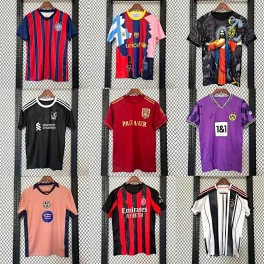
2026 Soccer Jerseys: Real Madrid, Barcelona, Arsenal - Unisex

ACNE STUDIOS Smiley Chunky Sneakers Off-White Leather Unisex

AOBINKA Grey Cotton Floral Hooded Cardigan, Unisex Cozy

Denim Tears 3D Floral Hoodie - Grey Unisex Streetwear

SUPREME Vintage 90s Distressed Light Blue Denim Jeans Unisex

Gucci Brown Diamond Knit Cardigan | Women's Vintage Wool
2026 Soccer Jerseys: Real Madrid, Barcelona, Arsenal - Unisex

Nike Classic Red Cotton Tee: Breathable, Minimalist Logo Design

Ralph Lauren Grey Cotton Baseball Cap | Unisex Summer Hat
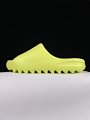
YEEZY Bright Yellow EVA Clog Sandals: Unisex Summer

STUSSY Surf Landscape Long Sleeve Tee: 90s Streetwear

Balenciaga Unisex Cotton Striped White Shorts | Summer Casual
2026 Soccer Jerseys: Real Madrid, Barcelona, Arsenal - Unisex

STUSSY Black Hooded Jacket: Windproof, Warm, Unisex Streetwear

Gucci Light Blue Knit Cardigan: Soft, Warm Women's Sweater

Amiclams Cream Hoodie: Unisex Cotton Sweatshirt with Red Heart

ESSENTIALS Off-White Fleece Cargo Pants, Distressed Knee, Unisex

Birkenstock Fleece Sandals: Cozy Winter Unisex Shoes
2026 Soccer Jerseys: Real Madrid, Barcelona, Arsenal - Unisex

Canada Goose Light Blue Down Jacket: Unisex Winter Coat

STUSSY 90s Vintage Black Puffer Jacket - Unisex Winter Hooded Coat
ESSENTIALS Off-White Fleece Cargo Pants, Distressed Knee, Unisex

Amiclams Red Wool High-Neck Sweater | Unisex Winter Warm
